
Kyrgyzstan Expedition Report / August 2022
- Thomas Partridge

- Sep 21, 2022
- 8 min read
Updated: Nov 8, 2022

Before recollecting my time on expedition, I’d like to personally thank everyone who supported Harry and I along our fundraising journeys till we joined the silk road. From washing cars and patios, to organising village events and so forth, it has been an absolute delight to meet so many other villagers interested in our endeavour and to awarding bodies like the RDC Foundation for helping me achieve these goals.
It was my first time in Asia like many of my fellow explorers from the British Exploring Society, soon we were to become surrounded by a vastly different landscape to the familiar gren undulation of Devonshire hills. On route, we saw rapturing signs laid on mountain slopes crafted from assortments of coloured stones brandishing conglomerates like Coca Cola and big banks to more naturalised river-cut gorges and stone adorned cemeteries - suppose even consumerism can impose a reverential appeal.


Upon arriving we assembled into two groups or fires as they were called, my fire we named Tutun (smoke in Kyrgyz and the smallest family unit) and Kamas fire after the soviet truck that had delivered our luggage across the steppes. We were greeted by some friendly Russians who drove both groups from the North in Bishkek to the South near Naryn, just short of our final destination in the At-Bashi range. We then acquired a gas-guzzling 500L soviet military truck to bound the remaining hurdle before arriving at basecamp. From there forward this was our second home– assembling, small luxuries such as large group tents, cooking areas, media projects, poo palace latrines and football pitches with the additional feature of tumbling into the river every time you yeeted it of the steppe.

Our first expedition as a fire sent us up the valley following our neighbouring river. Not before long we were invited by an incredibly hospitable elderly lady into her yurt for chai, bread and biscuits. This to my mind was a most notable aspect of rural nomadic Kyrgyz culture so different from our own. It seems almost implausible to invite some foreigner into our homes back in rural Devon (even more so if you don’t understand their language), yet this lady welcomed us, gathered her entire round of bread and sweet apricot jam to feed all twelve of us sat around her table. Whilst we gathered, they don’t receive many visitors during the summer period before they leave to Bishkek in winter when the region plummets to -30/40 degrees, I was still astonished to have been greeted in kindness by so many herders on our travels.
One explorer Nikita had been able to talk in Russian to the husband who greeted us later – wishing that we stay the night and talk. It was extraordinary to stay in a yurt, a common structure featured throughout most of the range. These temporary houses felt as warm and cosy as any other home with a sunroof at the top to let in sunlight or later night-time spectacles and handmade wool rugs with rather intricate plays on pyschodelic patterns and vivid colours.





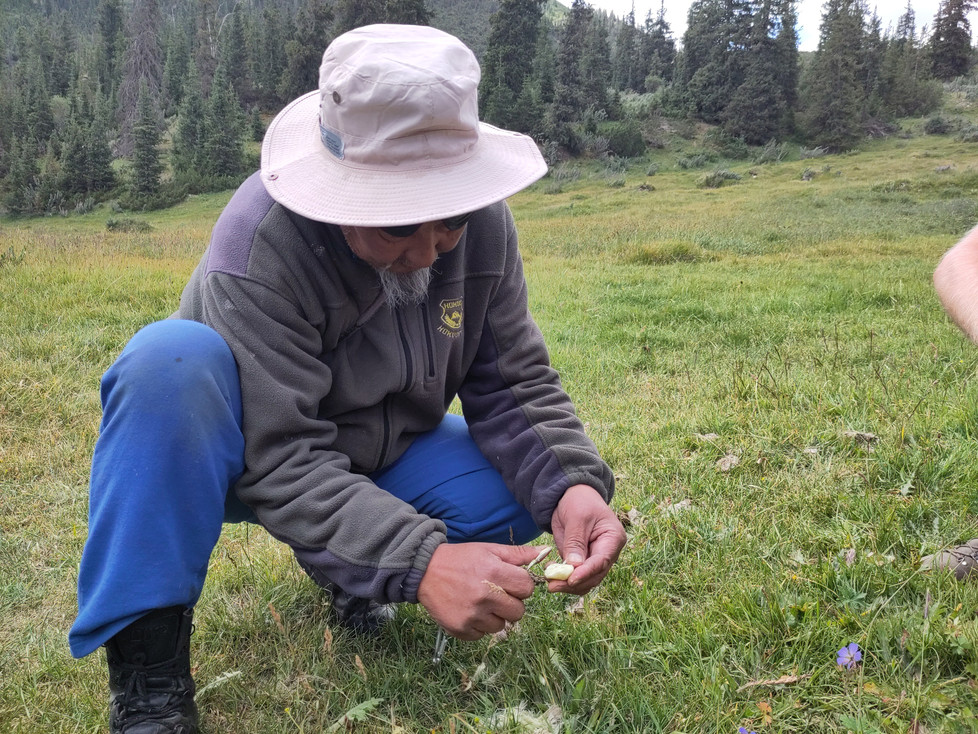


The following days we spent by rocky rapids most memorably called ‘skimmers lagoon’. It was a magical spot suggested by the herder who had accommodated our fire and had taught us wilderness skills; pulling up prickly roots to bolster our vitamin deficiency. We found some ideal bathtubs with water jetting over and became captivated by all the raptors gliding above the tree line. Throughout the whole expedition, I had been astounded by bird life. Though failing to conclusively identify many due to pesky errors with downloading bird ID packs on my phone, the sheer diversity of predatory birds was unlike no other. Many raptors are a good indicator for presence of small critters crawling around, evidently this landscape seemed to have by the bounty load. Admittedly the landscape is still evidently overgrazed and were told that the rate of tree growth may be only a few centimetres at most per year due to the extreme stresses faced in the winter. Most of the trees we encountered seemed to be new growth forest though realistically these were small patchworks from their more extensive predecessor.
It’s not surprising to familiarise oneself with this concept upon hearing of one herder owning 1500 sheep, 150 yak and 200 horses if you believe those figures. For we rarely saw any large mammal that wasn’t of stock to someone. I remember waking up one morning towards the end of the trip to the thundering shudder of 40 hooves encircle our mountain camp – to politely remind us that we were intruders in the their domain. To be honest, it was a pleasant surprise from seeing so many penned into small field margins without scope to roam the vast plains to their greater end. After making conversations with some of the local herders, we also began hearing reports of the current stresses faced by regional warming – facing droughts and rivers drying up due to excessive glacial melting.
After another rest in basecamp which saw the developments of a pizza oven from locally sourced cow manure, mud, sticks and rock we decided to head down river in the direction of a small lake. For every excursion, we had to analyse the logistical minefield of where to resupply, where to potentially access water and factor in emergency procedures should need be. Unfortunately, throughout the second tour, our team was confronted with an evacuation exercise of our dear explorer Kate due to a seizure one morning. This meant out return to basecamp while the medics were active elsewhere. This was a nock to the teams’ morale as we much enjoyed her company though we pulled through and amused ourselves where possible – most memorably in the first lighting of the pizza oven to make chapatis, peanut butter flatbreads and eventually small pizzas in the ‘Ant Bashi Bakery’ after the resourceful ant infused honey pizza that seemed remarkably tasty for all our efforts.
To investigate which fauna and flora were present, part of our activities while on tour were to deploy camera traps, quadrats and using macro lenses to document our findings. To my surprise, we found an extraordinary variety of butterflies, moth and grasshoppers scattered across the grassy hummocks at altitudes exceeding 3500m. The most vivacious critter was the marmot which we frequently spotted squatting burrows at the tops of saddle summits. After I spotted a stoat while eating lunch within a grassy cavernous overhang, we decided to deploy the camera traps and recorded numerous sightings of stoats chilling out n about – mostly under the cover of darkness. Amongst other wildlife, we found a wide selection of edible spring onion varieties, huge thistles that you’d presume were under immense predatory stress in addition to many other unidentified wildflowers and masquerading parasitic bee-fly. We also assembled some track pads to identify small mammal tracks though unfortunately the weather got the better of these. At basecamp, we were often met with frequent lightening storms which funnelled wind and dust through the valley and ripped many group tents due to the ferocious nature of each gust and occasional outbursts of rain though otherwise had experienced fair weather.





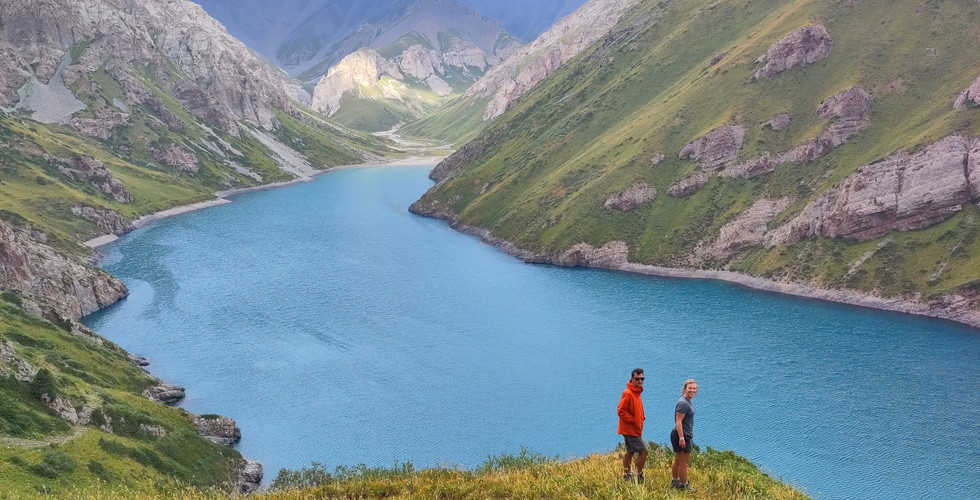
During our second attempt to reach the lake a few days walk from basecamp, we stroke luck with both fires reaching the destination. I remember toiling in contemplation again after some of the crew became ill but we acquired some rest, foraged thyme tea tea and witnessed an epic game of taskmaster involving the pitiful demise of our washing bowl. The lake had a biting chill but nonetheless we persevered with mugs of hot chocolate, warm clothes and pingu raves at our disposal. Surrounding the lake, we discovered some ammonite like fossils and epic skimming spots which sent almighty cutting blows ahoy across the water.



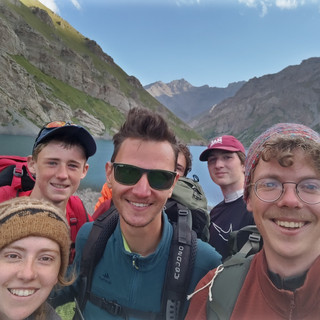


Some of my most fond memories shared with my fire were formed huddling around our camp stoves to the onset of stars up above, pink skies in the foreground and Eddie specials being made below – a concoction of coco powder, honey, cinnamon, and the all-important Eddie eccentricity. A few testing days followed thereafter, to my knowledge whilst walk leader I had envisaged on following a river re-entrant up the mountain valley towards a 4000m saddle. Unbeknown to me and my outdated USSR map, these rivers did not exist and were met with hideous scree beds rough as sandpaper. To adapt our plans, we diverted up a lower slope towards a different saddle summit overlooking the lake though were still met with a final ascent of steep scree that proved hazardous to anyone immediately below. Our adventure leader Nick had helped our ascent to the top though the limits of the group certainly had been grasped, and I remember after the descent being flooded with adrenaline at challenging these wits – an addiction I can live with.
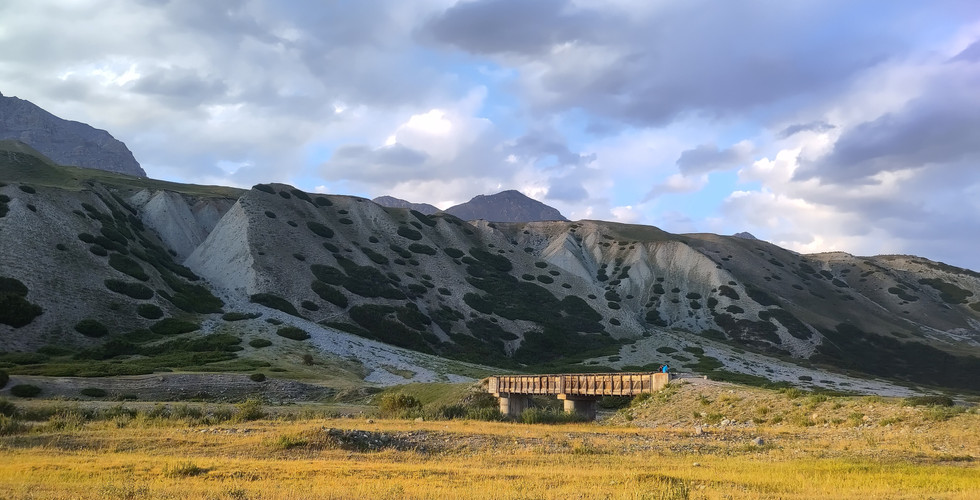
Many of the mountains in Kyrgyzstan remain almost inaccessible to any amateur mountaineer due to their sheer precipitous nature generated by centuries of winter weathering. I amongst others were simply baffled by the range’s beauty – with vivid hues of red’s, whites and greens in the rock though also overcame a sense of isolation confined to being so far away from any source of help or infrastructure.





After leaving the lake camp, we scurried up an breathtakingly verdant ridge which later descended into a valley a few kilometres from basecamp. To our delight, at the top of this ridge we found a young man sat on his horse wearing a bright cannabis bucket hat who was calling a friend, beholding commanding views out to China and its proud snowy peaks. It would seem as though this were the only accessible point where he could get acquire phone reception and so to great lengths, he strode to become connected. Further down the ridge we made sight of three camels perched on a hummock near a small tarn which was equally unexpected and huge griffon feathers detached by some rocks. After a day of rest, we headed back to basecamp to prepare for our final tour.


On our final tour we decided to head further upriver to reach a high camp at 3500m. Along the trail we met some young children who greeted us on a donkey, they exchanged some Donkey Kong on speed impersonations and we reciprocated by hertling fireballs from across the river – though suspect they had outmanoeuvred our attempts.


Getting to such heights had been fought admirably with heavy packs in poor conditions though our suitably named ‘Misty Mountain’ camp overlooked impressive brooding views with many livestock braving these harsh heights. Despite our toes remaining numb and tents rather cold, we kept lively in spirit with charades and relay races to keep ourselves amused. One explorer Evan had found a giant ramshead and horns which we used to ward from terrors stepping afoot.







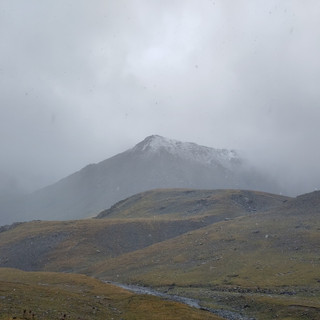
Though at times testing, I found great comfort in all our frugal forms of entertainment – whether that be spending time reading books or hearing episodes of Andrew the mouse stories told before bed, podcast journals recorded on the bonnie bank or laying submissively below stars which beckoned quiet attention; it had certainly been an adjustment to find myself back home with billion pound boxsets and corny entertainment influencers.
We later investigated a tributary of the river to eventually reach a nearby a saddle at 3900m with snowy scree mountains looming in front where we assumed penguin group poses while murmuring the wurzels for all our sins to keep our thawing heads distracted.
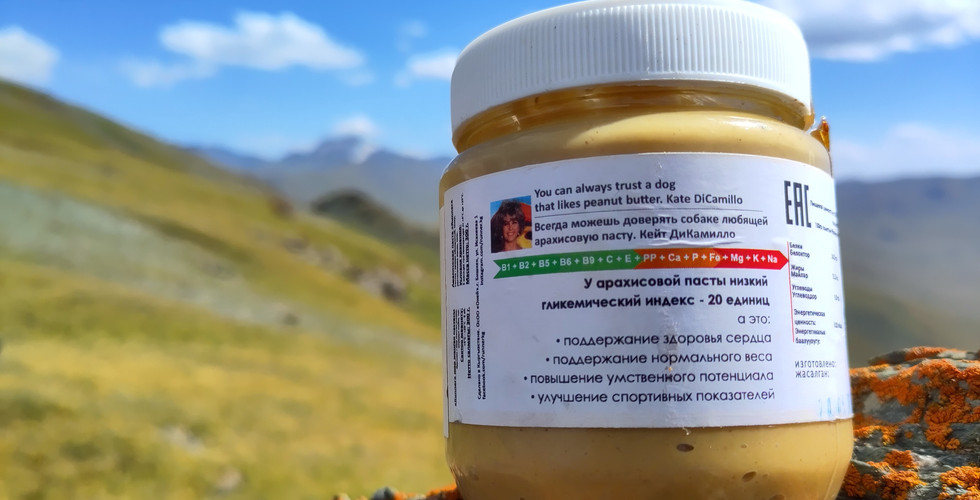
The next day we headed back along a higher pass, getting ourselves stuck in a blizzard whilst chomping on our lunch – usually a round of crackers, jams, fish and peanut butter with obscure marketing quotes from undistinguished celebrities. The final days back at basecamp were memorable with sports contests, the baking of cakes in our beloved pizza oven (offering a fine selection of banana and chocolate cake which incorporated more sugar than our whole tour allowance) and sitting around campfires content in good company.


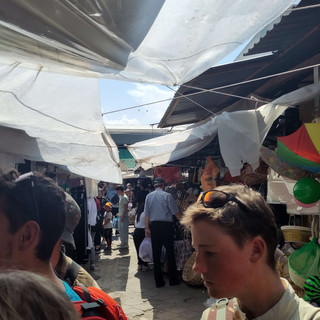
We departed to Bishkek for a day of sightseeing and wandering the bazaars (large markets) which certainly bore enough spice to fill a dutch merchants convoy. Bishkek was a bustling green city, with predominant soviet architecture and clean and friendly streets. The people of this metropolis are from all corners of Asia and Europe which invited a diverse variety of cultures and cuisines to try.
Overall Kyrgyzstan had made an enormous impression on me and my fellow explorers. During our short visit we had received considerable hospitality from Kyrgyz nomads, had been shown sight of a functioning commons so different to our own (though from an ecological perspective still largely artificial) and had been enchanted by its staggering undeveloped beauty. To all the griffons towering above the thermals, your jagged kingdom beholds the greatest palace I have ever known.



































Comments